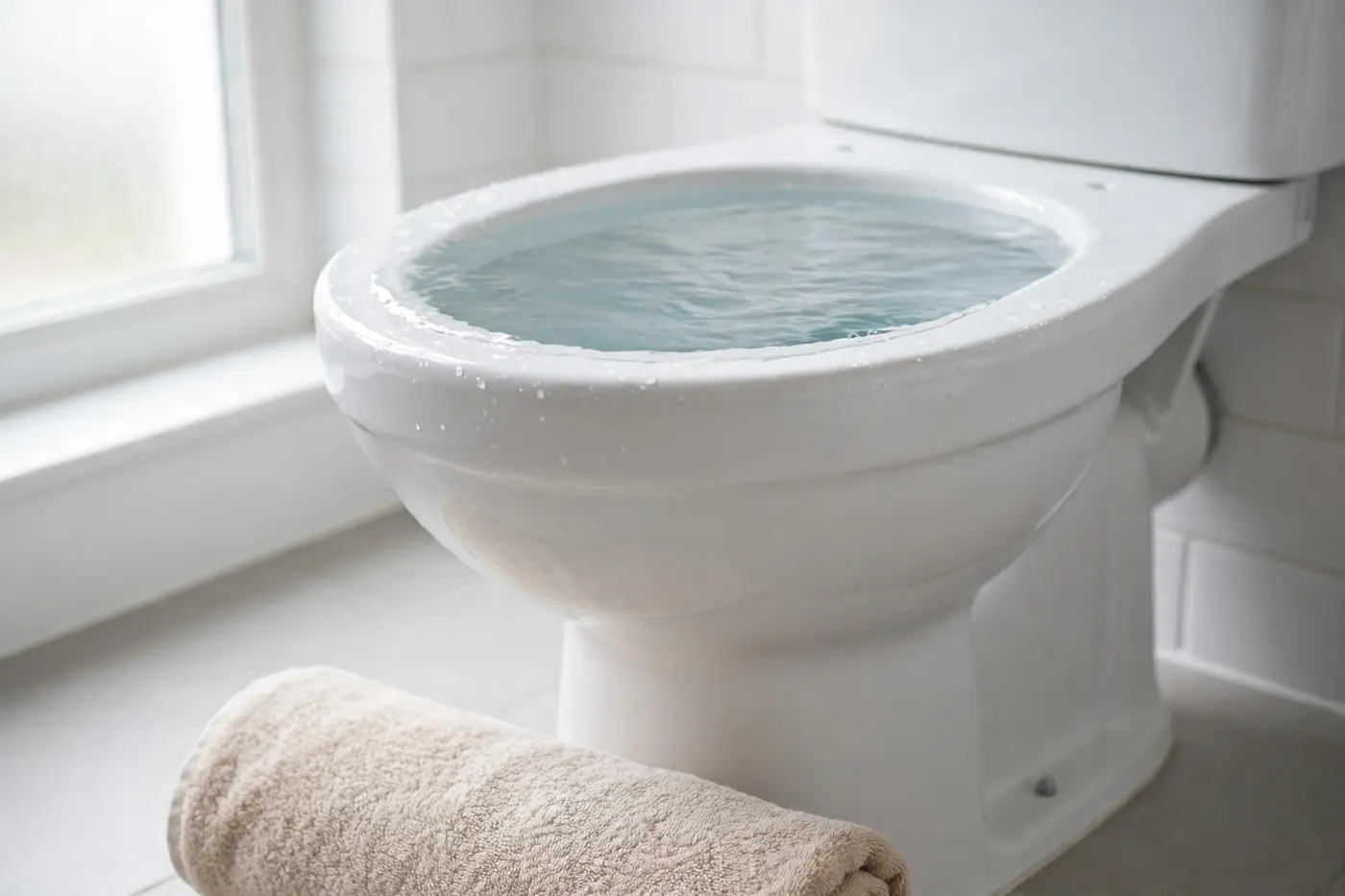
Toilet Overflowing: What to Do in the First 5 Minutes
The shut-off sequence, in order, before the water reaches the floor.
Read Guide
Every guide opens with the short answer, then walks the checks in the order a technician would run them. Each one is honest about the same line: what a homeowner can safely do with the tank lid off, and the point where the job stops being a guide and becomes a visit.
Fountain Valley runs through all of them. The city's hard water, its 1960s and 1970s housing stock and its slab foundations change how these problems behave here, so the guides use local numbers and local housing details where they matter. Find the guide that matches your symptom below — or browse the services pages if you would rather skip straight to the repair.
The shut-off sequence, in order, before the water reaches the floor.
Read Guide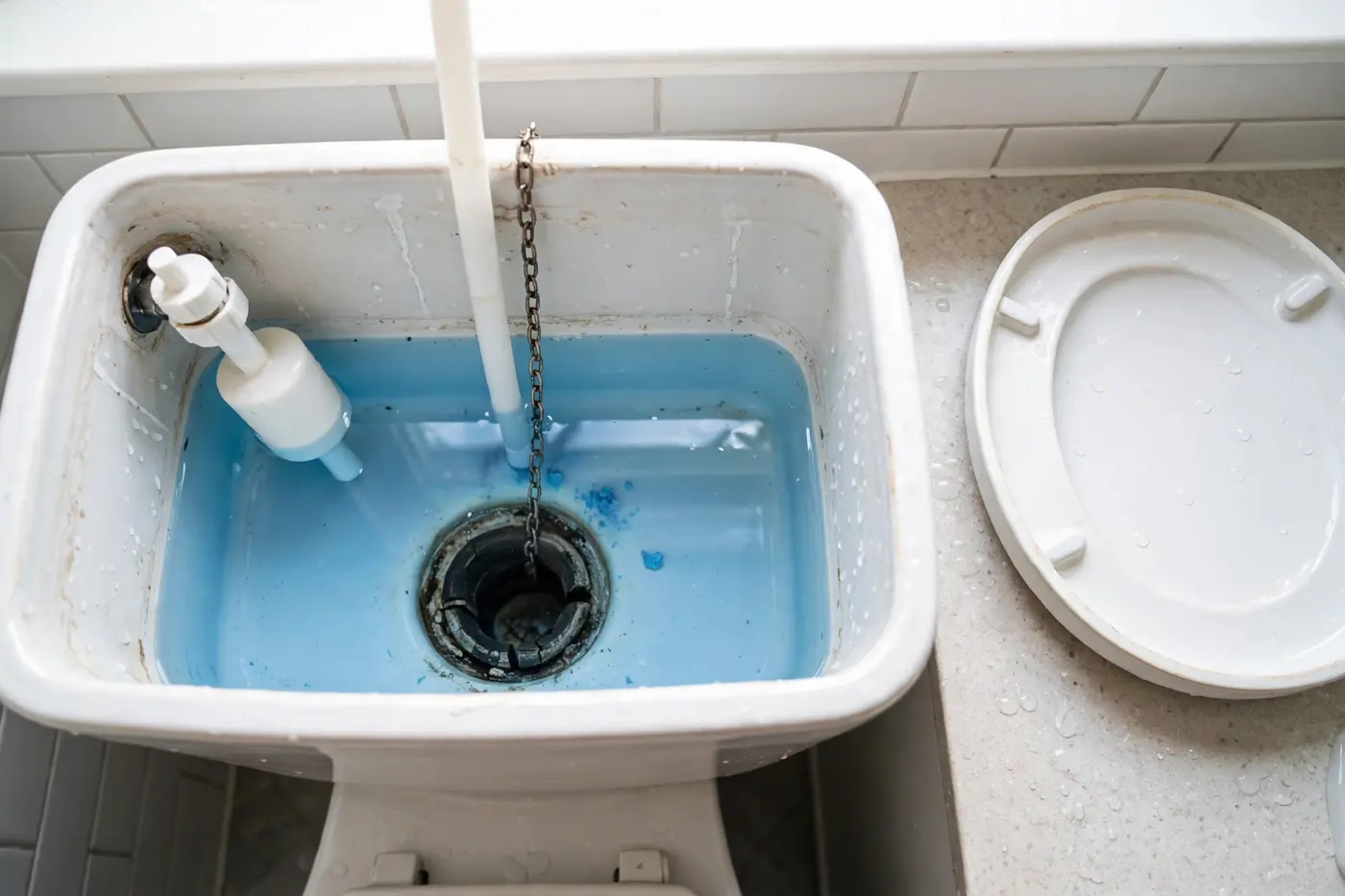
The gallon math behind a running toilet — and the dye test that proves it.
Read Guide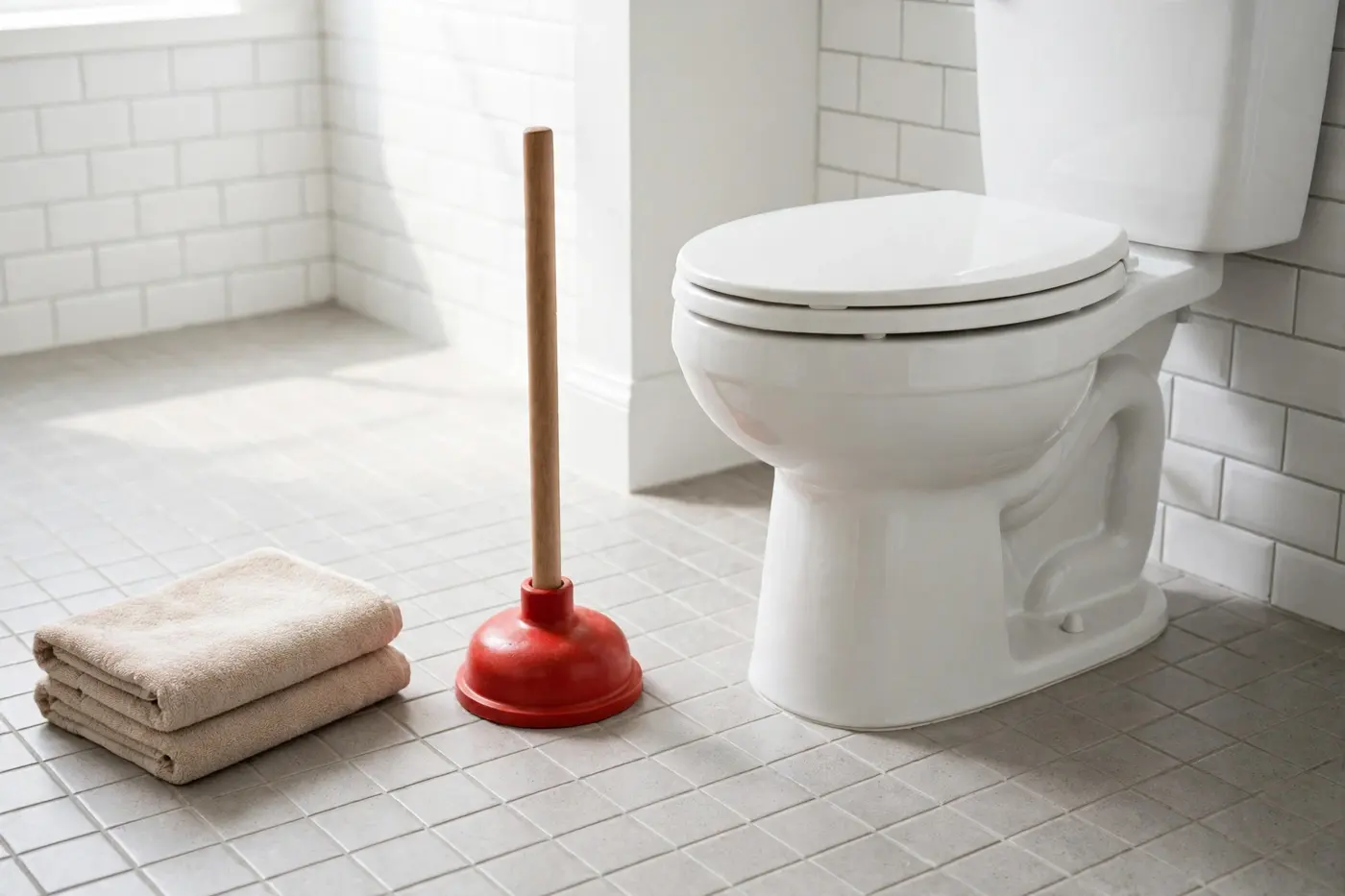
Where DIY plunging works, where it stops working, and what repeat clogs mean.
Read Guide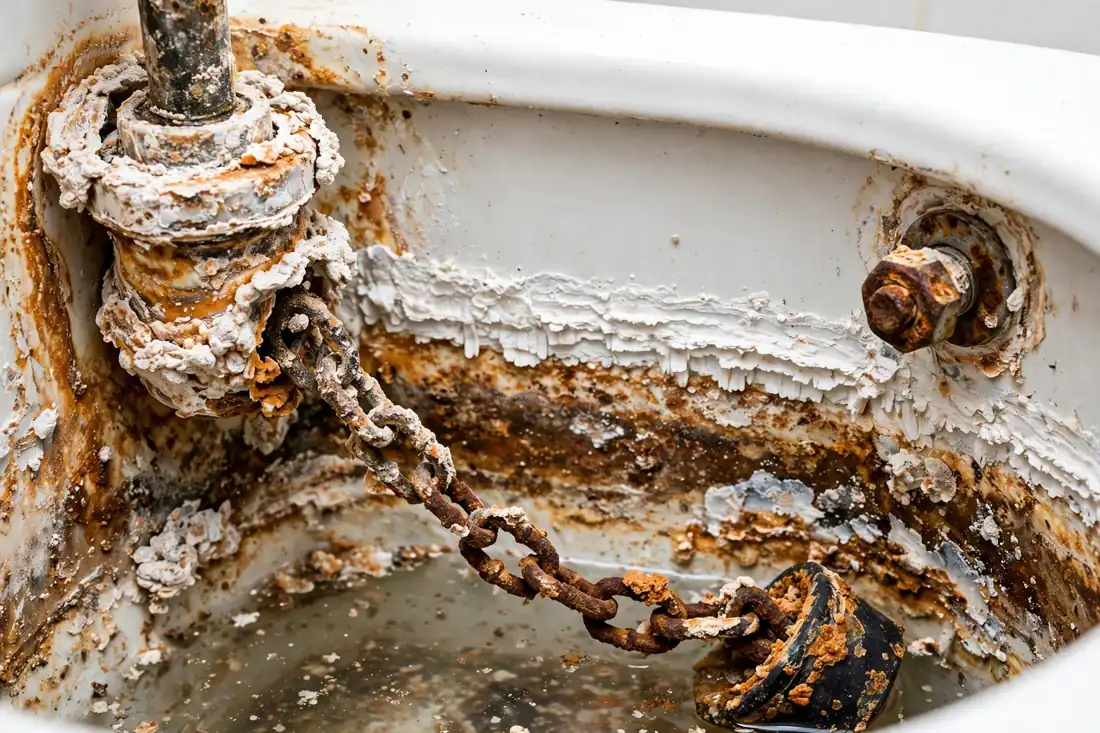
217 ppm of hardness, and what it does to valves, flappers and rim jets over time.
Read Guide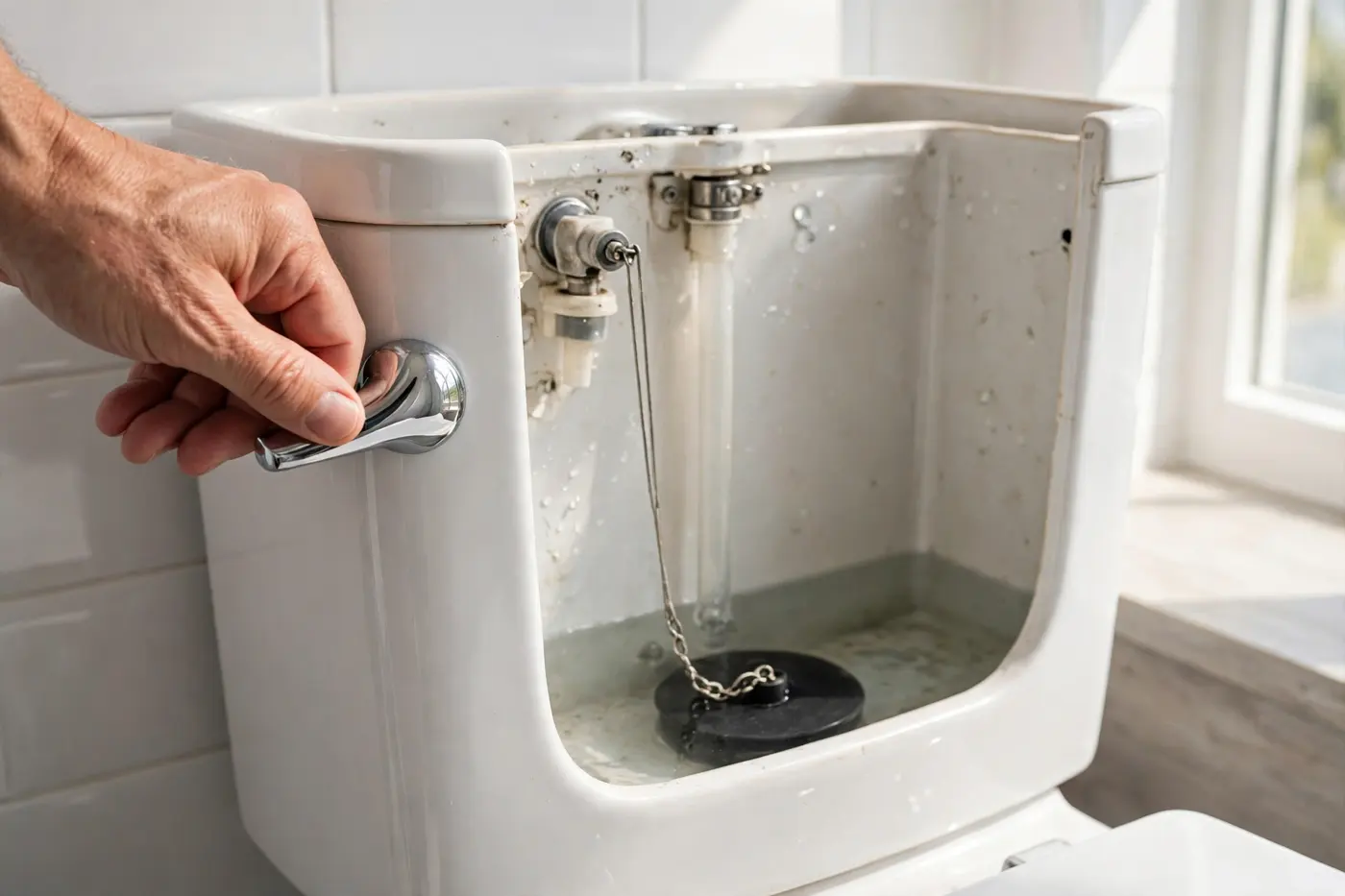
Chains, handles, water level, jets and valves — the six usual suspects.
Read Guide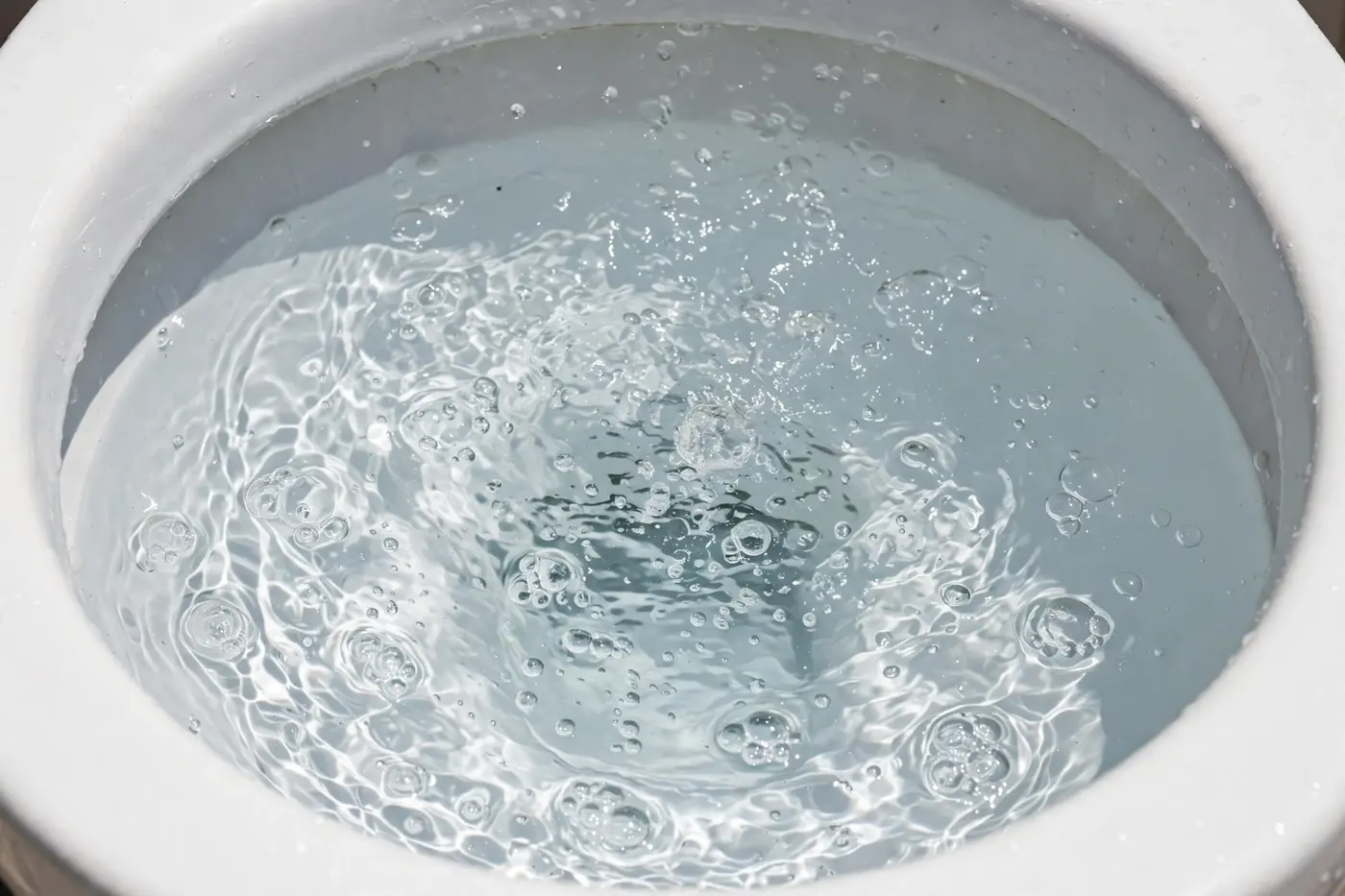
Air moving the wrong way is a venting or drain message, not a quirk.
Read Guide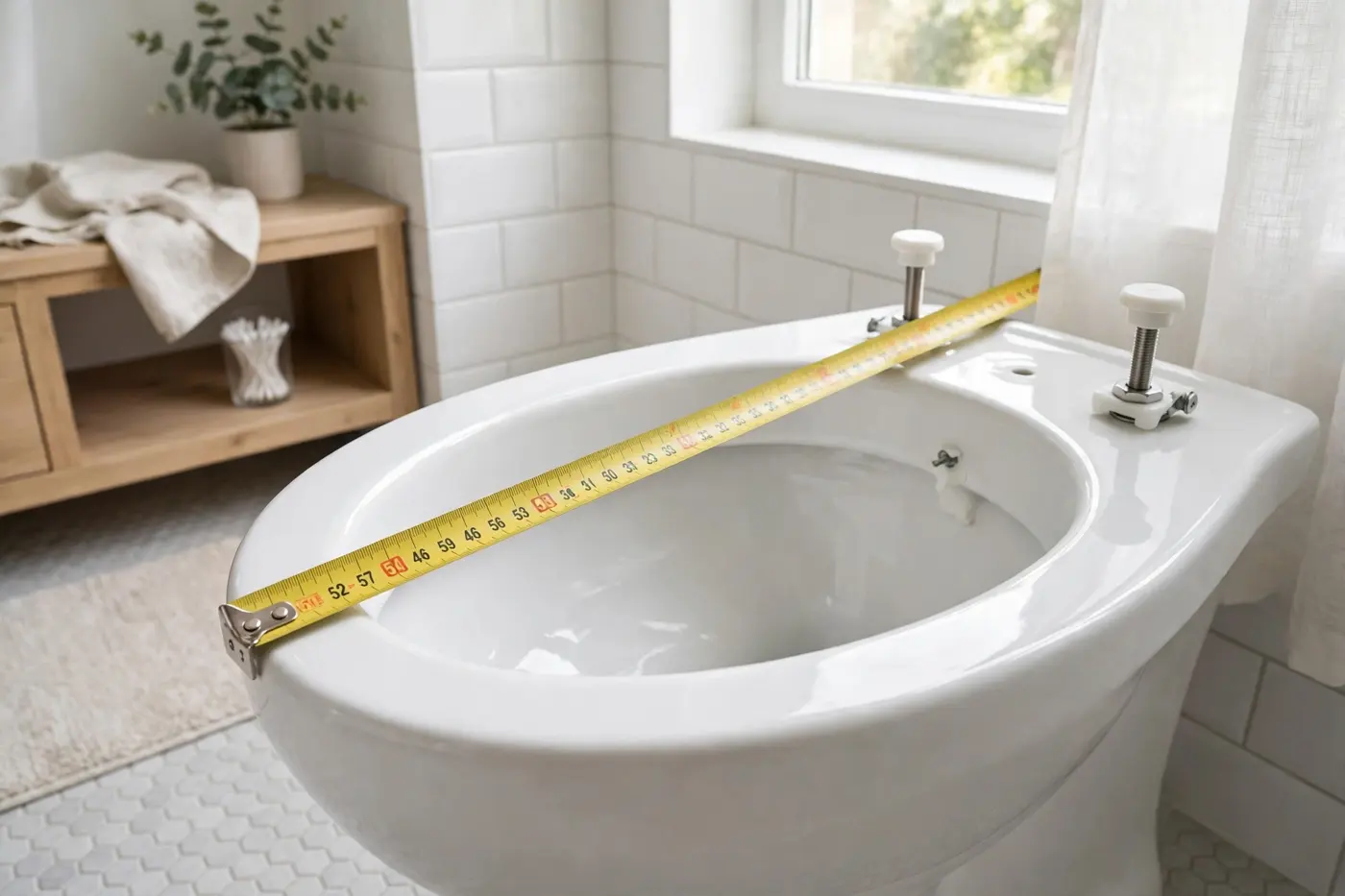
Round versus elongated, bolt spacing, and the hinge trick that stops the shift.
Read Guide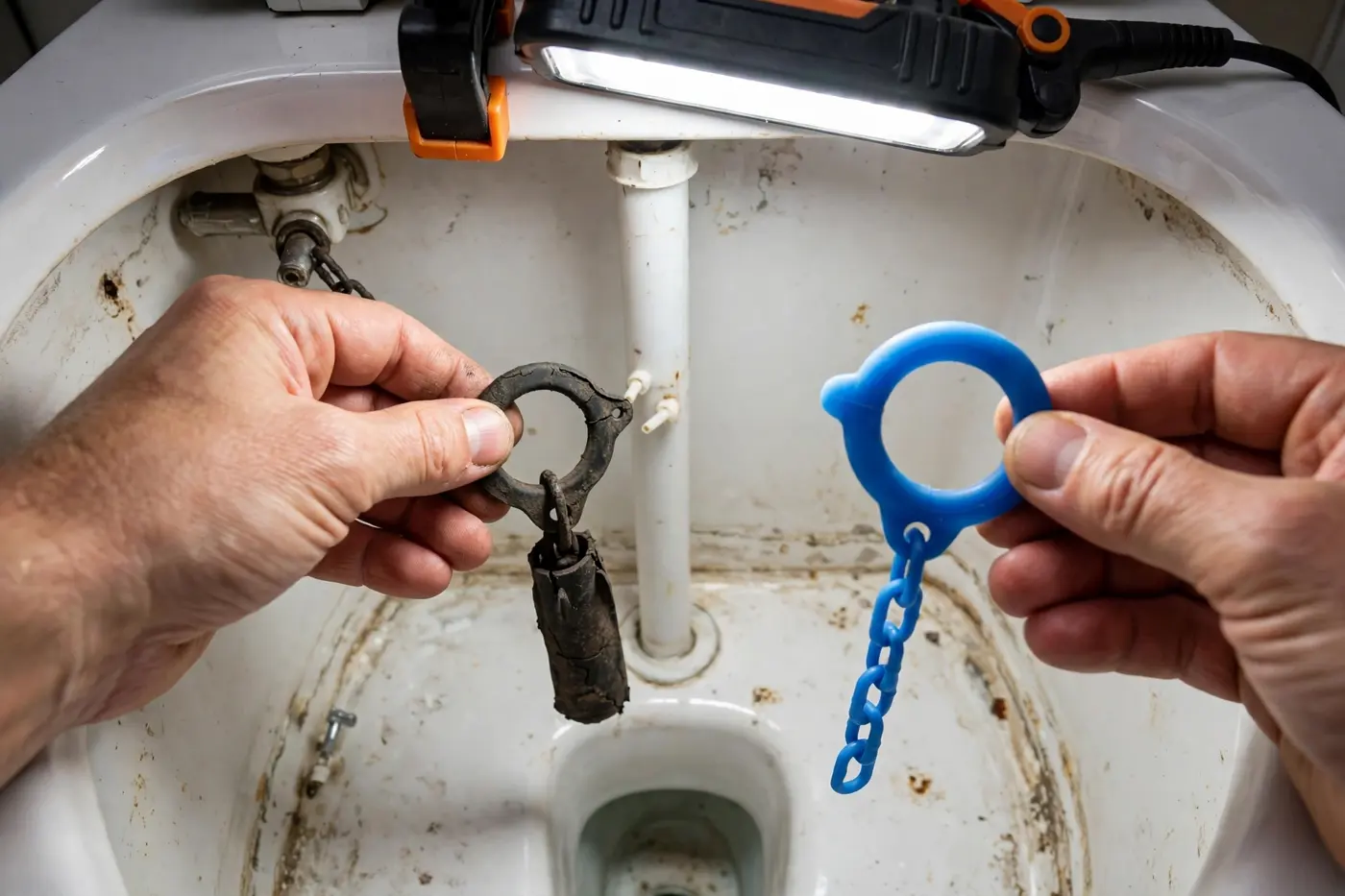
The single most common running-toilet fix, step by step.
Read Guide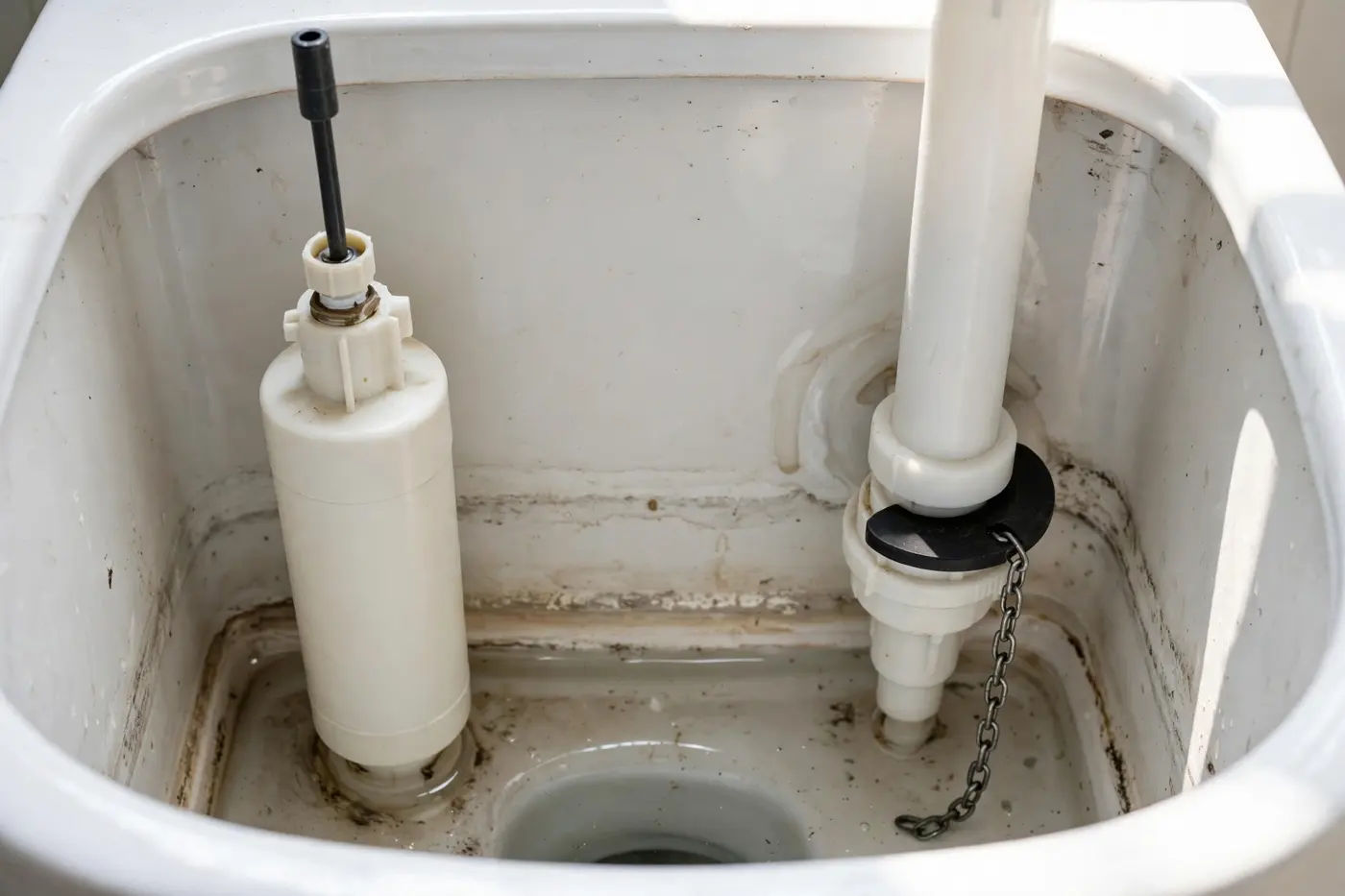
Slow, hissing or empty tanks: the fill valve checks that sort it out.
Read Guide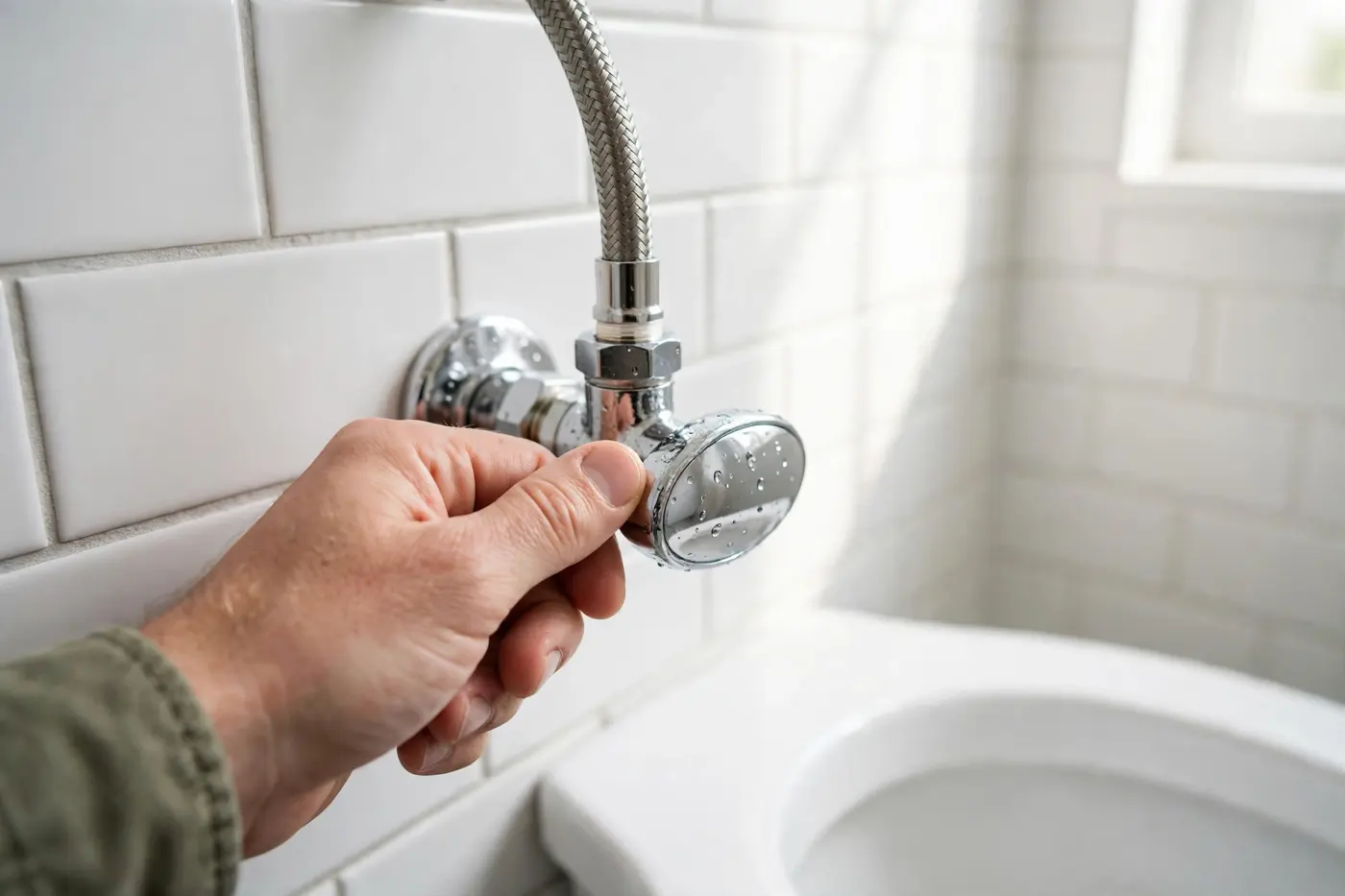
The valve every homeowner should test once a year — before it is needed.
Read Guide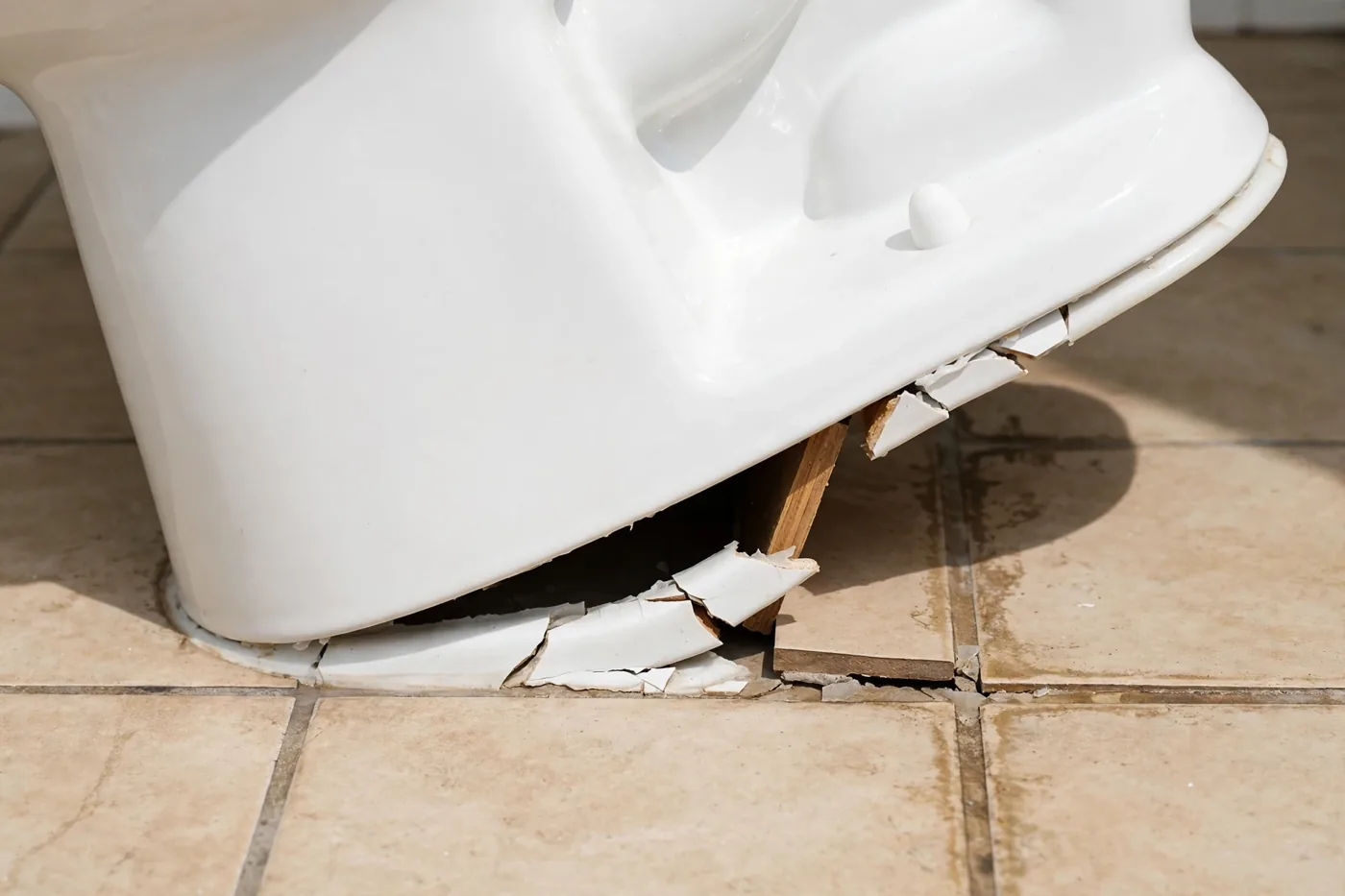
Why caulk is not a fix, and what the flange underneath is telling you.
Read Guide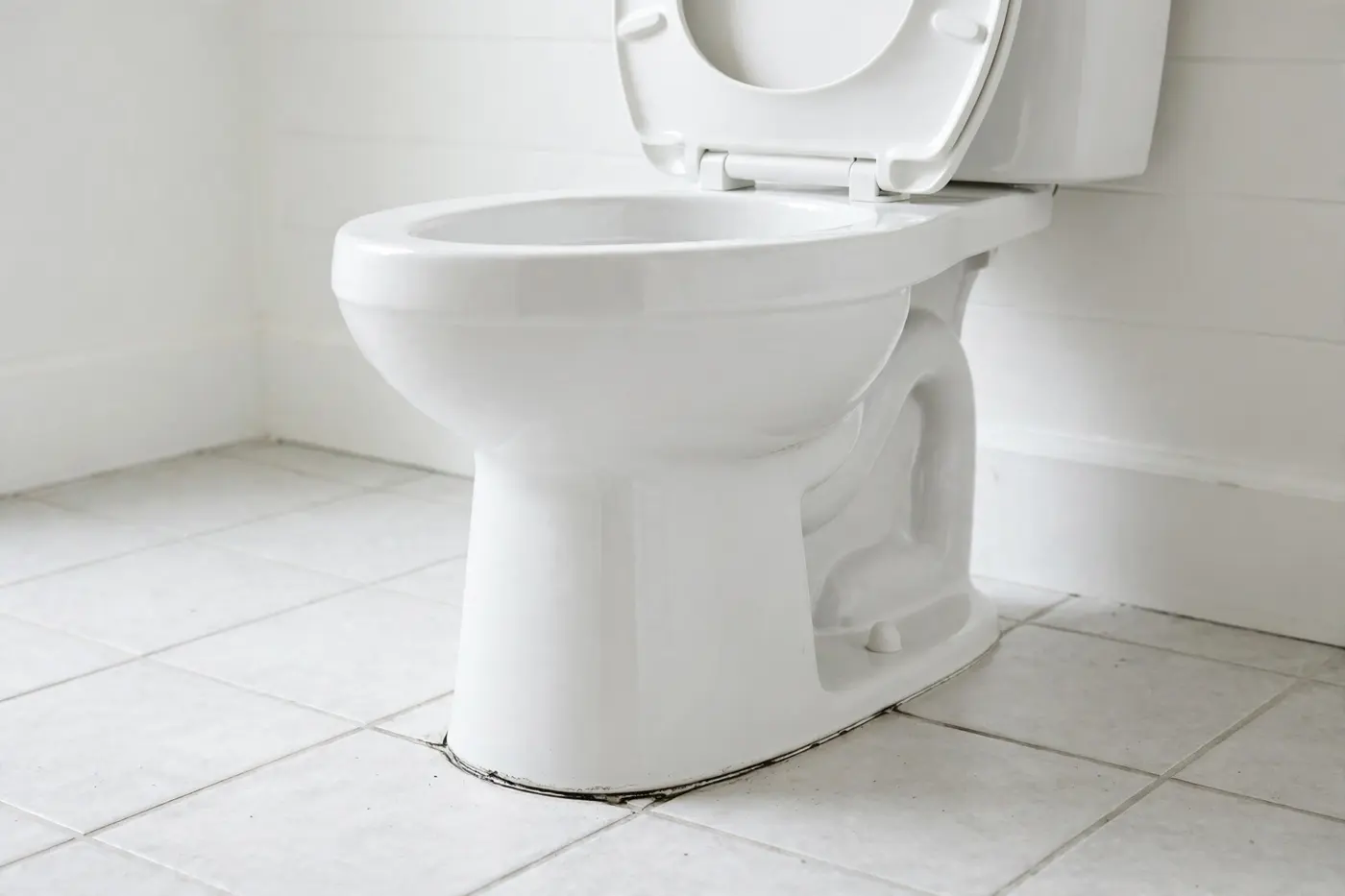
Wax seals, dry traps and venting — finding the smell's real address.
Read Guide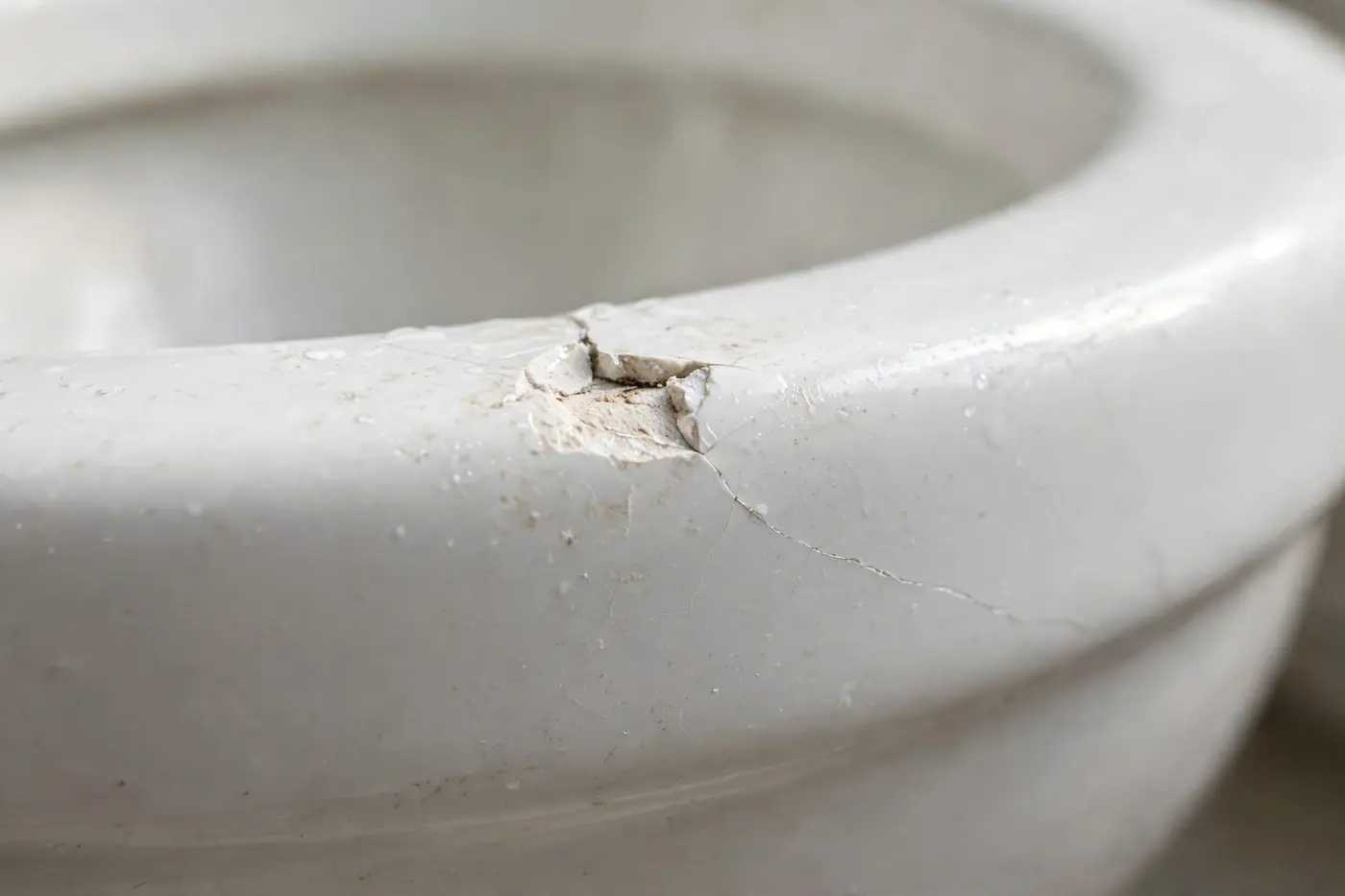
Which chips are cosmetic, which are cracks, and when replacement wins.
Read GuideThe thirteen guides fall into three groups. The emergency guides — starting with the overflowing toilet — are written to be read standing in a bathroom with water rising: short steps, in order, with the shut-off first. The step-by-step guides — the seat, the flapper, the shut-off valve itself — are Saturday-morning reads, written for a homeowner with basic hand tools and a spare hour, each with the measuring and checking steps that decide whether the job goes smoothly. The understanding guides — hard water, gurgling, sewer smells, the running toilet's water math — explain the system behind the symptom, for readers who want to know what a technician will look for before anyone picks up a phone.
Every guide draws the same line in the same place: the tank lid, the seat bolts and the shut-off valve belong to the homeowner; the flange, the drain line and anything under the floor belong to a visit. Where a guide crosses from one side to the other, it says so plainly, with the reason — usually water damage, and usually the slab under a Fountain Valley home. The local details are real and specific to this area: hardness figures from the City of Fountain Valley Water Quality Report, the building decades of the city's tracts, and the failure patterns those two facts produce. If a guide and your bathroom disagree, trust your bathroom — and if the symptom is not in any guide, the services pages are organized by symptom too.
The topics themselves come from the calls. When the same question arrives from several Fountain Valley homes in a season — a smell that turns out to be a dry trap, a flush that weakens every summer — it becomes a guide, written the way the answer was given on the phone: the short version first, the checks in order, and the honest stopping point where a guide ends and a visit begins. That is also why the guides stay narrow. Each one covers a single symptom properly instead of skimming ten, because a homeowner with water rising in the bowl does not need a tour of plumbing — they need the next right step.
Call (714) 410-0362 during open hours — Mon–Fri 7–10, Sat 8–10, Sun 7–9 — and describe what you found.
📞 Call Now — (714) 410-0362 Prefer email? [email protected]