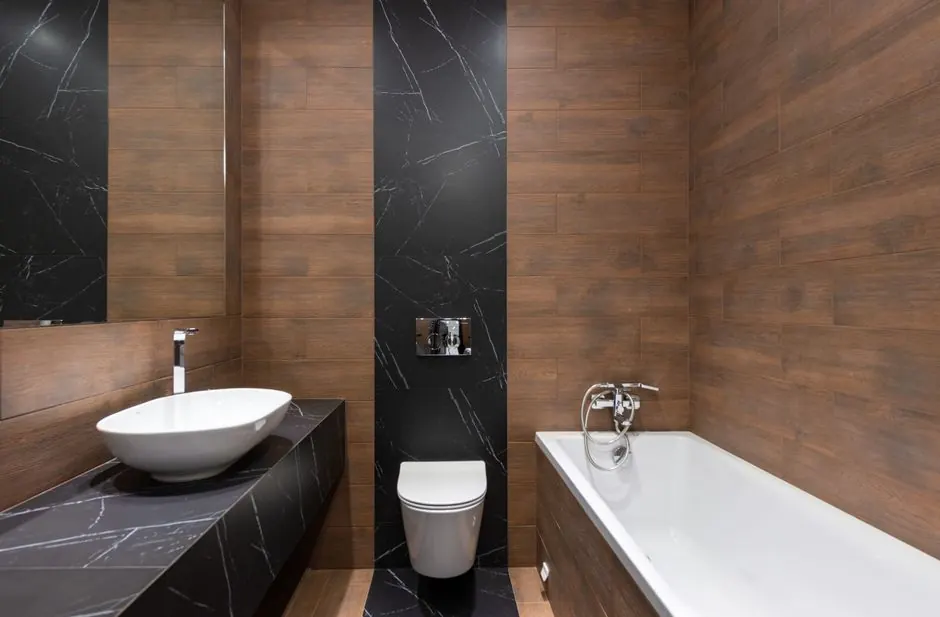
Toilet Replacement in Fountain Valley, CA
📞 Call Now — (714) 410-0362A toilet replacement swaps a cracked, worn, or weak-flushing toilet for a new one matched to your rough-in, set on a fresh seal, and tested until every connection stays dry.
When a toilet has reached the end of repairs
Toilets last a long time, but not forever. Porcelain wears, internal passages scale up, and a fixture that once flushed hard can fade into one that barely clears the bowl. These are the signs the toilet itself — not a single part — is the problem.
- A crack anywhere in the tank or bowl, even a hairline
- Repairs stacking up: flapper this year, fill valve the next, then a leak
- A flush that stays weak after the tank parts are renewed
- Clogs week after week with normal use and a clear drain line
- Deep staining and roughness inside the bowl that will not clean off
- A toilet that uses a large amount of water with every flush
The weak-flush sign deserves a closer look. The parts inside the tank can all be new and working, yet the flush can still lack push. The reason is inside the porcelain: rim jets and the siphon passage slowly coat with mineral scale, and the trapway surface roughens with age. Water moves through those passages slower and with less force. No tank part fixes a passage problem, because the passages are part of the fixture.
Water use is the quieter sign. Older toilets were built to use far more water per flush than current models. In a busy family bathroom, that gap shows up every single day, flush after flush, year after year. A household that swaps a high-volume older toilet for a current model feels the change on the water use right away.
Comfort is a fair reason too. Seat height matters more as knees and hips age, and a taller bowl is far easier to sit down on and stand up from. Bowl shape matters as well: an elongated bowl gives more room and comfort than the round bowls fitted into many small older bathrooms, as long as the room has the depth for it. A replacement visit is the natural moment to change both, since the old fixture is coming out anyway.
What replacement is not: a cure for problems that live outside the toilet. If the drain line under the floor is rough and narrowing, a new toilet will clog into the same line. If the flange is broken, the new toilet needs that fixed first or it will rock and leak like the old one. A good replacement visit checks the flange, the floor, and the drain while the old toilet is off — that open moment is the easiest time to see everything clearly.
If you are unsure whether your toilet is at this point, the honest test is the repair history. One fault, fixed once, holding fine — keep repairing. Fault after fault, on a toilet that also flushes weakly and looks tired — that is a fixture asking to be retired.
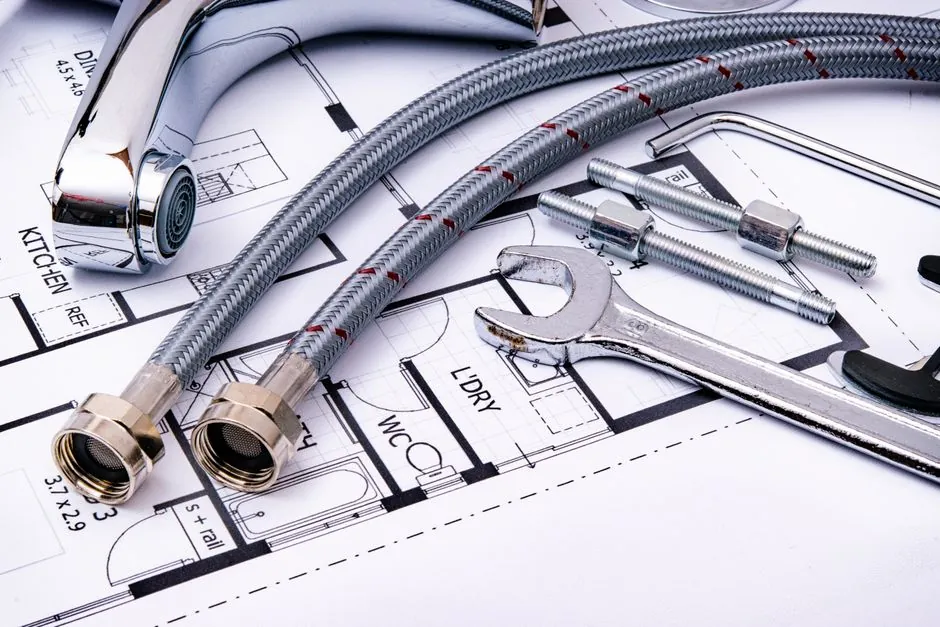
From worn-out fixture to a clean, strong flush
The change owners notice first is the flush itself: one push, a fast swirl, and a bowl that comes back clean — with far less water used each time.
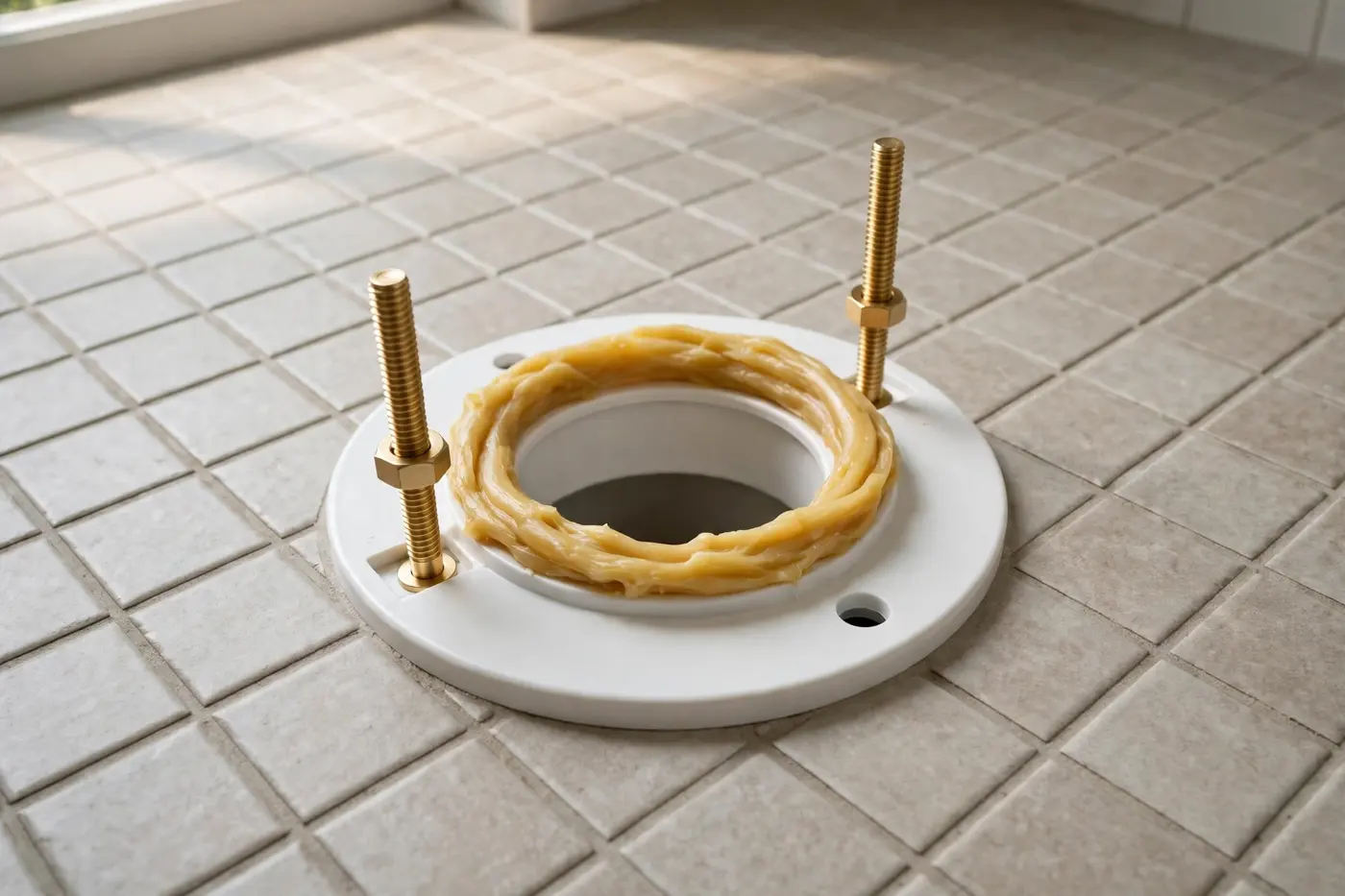
The old toilet is cracked or worn, its internal passages scaled, its flush weak, and its parts failing one after another. Underneath, the old seal is spent and the flange needs a close look before anything new goes down.
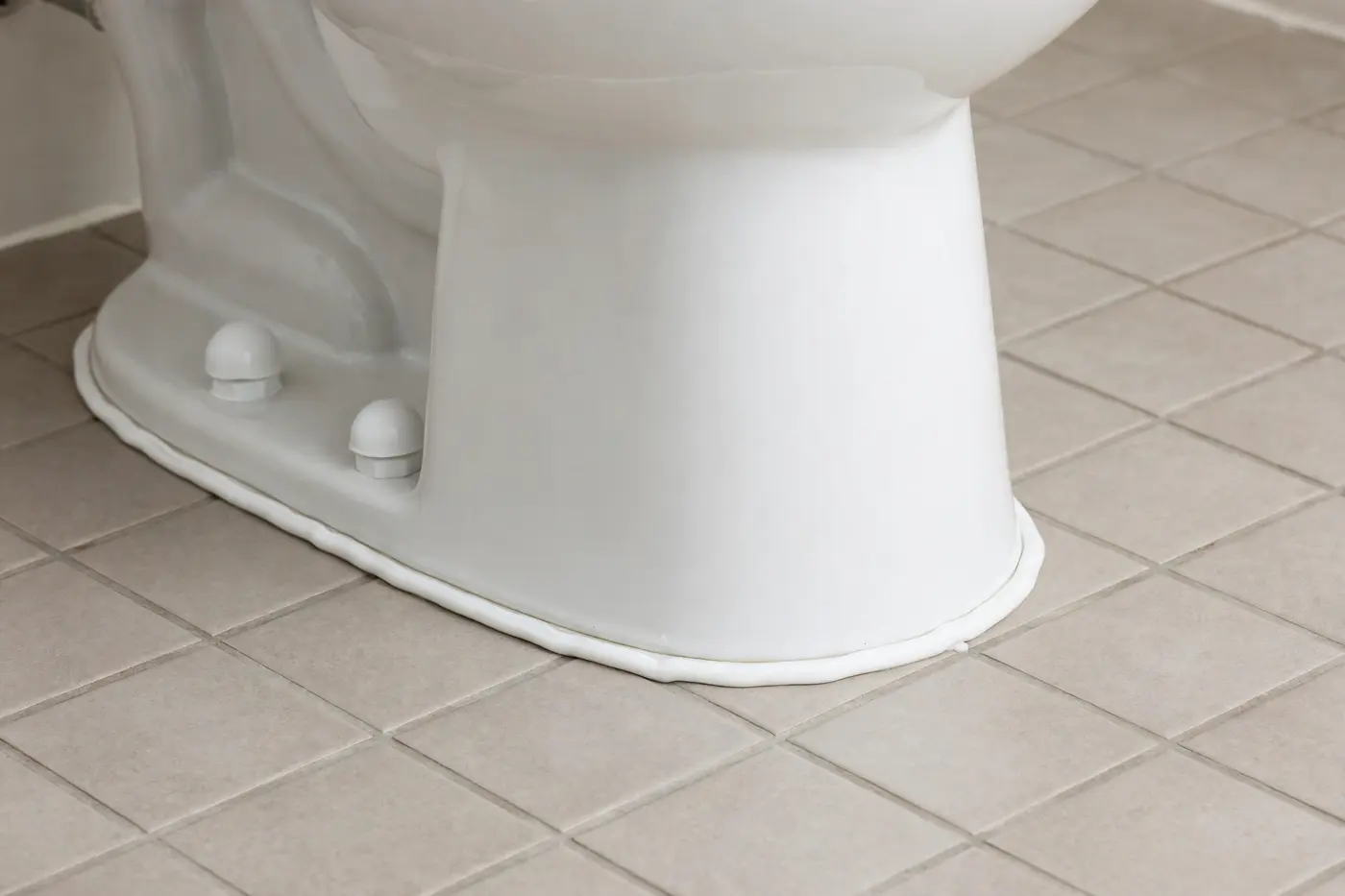
The new toilet sits level and solid on a fresh seal, matched to the measured rough-in. It is flush-tested again and again, the tank fills and shuts off at the right level, and the base and supply line stay dry through every test.
The sealed base in that second panel is doing quiet, important work. A fresh seal on a checked flange, with the toilet sitting still and level, is what keeps flush water in the drain and drain smell out of the room for years to come.
How a toilet replacement visit works
One call connects you with a local toilet specialist. Here is the swap, step by step.
Step 1 — The call and the fit questions
You call (714) 410-0362 during open hours and describe the old toilet and why it is going: cracks, weak flush, repeat faults, or a remodel. You will be asked about the bathroom — floor type, door width, and whether a new toilet has already been picked. If it has, its rough-in and bowl shape get checked against the room before the visit.
Step 2 — Measuring the rough-in
On arrival, the technician measures from the finished wall to the center of the floor bolts. That distance is the rough-in, and the new toilet must match it. The shut-off valve and supply line are checked at the same time, because a tired valve is far easier to deal with while everything is apart.
Step 3 — Draining and removing the old toilet
The water is shut off, the tank and bowl are drained and sponged dry, and the supply line is disconnected. The old toilet is unbolted and lifted straight off the flange, then carried out along the path you cleared. The scope of the full swap is confirmed with you before any work starts, and any surprise under the old toilet is shown to you before the new one goes down.
Step 4 — Checking the flange and floor
With the opening clear, the flange is checked for cracks, height, and a firm mount, and the floor around it is checked for soft spots from old leaks. A flange fault fixed now protects the new toilet. This is also when the drain gets a confirming look, so a line problem is never mistaken for a toilet problem later.
Step 5 — Setting the new toilet
A fresh seal goes on, the new toilet is lowered straight onto the flange, and the bolts are snugged evenly until the toilet sits level with no rock. The tank is fitted on two-piece models, the seat is mounted, and the supply line is connected with fresh washers. Nothing is forced — porcelain cracks under uneven pressure, so level and even is the rule.
Step 6 — Fill, flush tests, and a dry check
The water goes back on, the tank fills to its line, and the new toilet is flushed several times, including a paper test. The technician checks the base, the supply connection, and the tank seam after the tests, confirms the fill valve shuts off cleanly, and walks you through the flush and any dual-flush buttons before finishing.
Checks you can do before you decide — and where to stop
A tape measure and a honest look at the repair history will tell you most of what you need before a replacement call.
Checks that are safe to try
- Measure your rough-in: from the wall behind the toilet to the center of the floor bolts at the base
- Measure the room depth to see whether an elongated bowl fits without crowding knees or the door swing
- List the repairs from the past few years — stacking faults tell the story plainly
- Flush with the tank lid off and watch the rim flow: weak, uneven jets point to scale inside the fixture
- Check the floor around the base for soft spots or rocking, and note them for the call
Keep that repair list honest. Owners often forget the small fixes — a flapper here, a chain there, a valve last spring. Written down together, they show whether the toilet has been asking for help once, or asking constantly.
Where to stop and call
- Any crack in the tank or bowl — cracked porcelain is never a safe home repair
- The old toilet is heavy, awkward, and has to go down stairs or through tight doors
- The flange under your toilet is cracked, rusted through, or sits below floor level
- The floor feels soft around the base, which means the swap includes a floor check
- Your shut-off valve will not fully stop the water for the swap
- The new toilet is a style your bathroom has never held, like a taller or elongated model
Lifting a toilet is the part owners underestimate. It is heavy, it holds trapped water even after draining, and it has to move straight up off the flange bolts without tilting wax and water across the floor. That lift alone is a solid reason to let a technician handle the swap. If a leak is what pushed you toward replacing, read the toilet leak repair page first — some leaks are one seal, not a whole fixture.
Old toilet disposal: ask on the call what happens to the old fixture after the swap, so there is a plan for it before the visit starts and it is not left sitting in your hallway.
Rough-in sizes, one-piece vs two-piece, and dual-flush: the real choices
Three choices shape a replacement, and each one has a plain right answer once your bathroom is measured. Getting them right before the old toilet comes off keeps the swap to a single, clean visit.
The rough-in comes first. The rough-in is the distance from the finished wall to the center of the drain, and the toilet is built around that number. Twelve inches is the common size in most homes. Older bathrooms — and Fountain Valley has plenty of 1960s and 1970s baths — sometimes measure 10 inches or 14 inches instead, from an era when those sizes were more common. A 12-inch toilet forced onto a 10-inch rough-in leaves the tank pressed to the wall and the base bolts strained; on a 14-inch rough-in it leaves an odd gap behind the tank. Neither is a disaster a good technician will let happen, because the measurement takes two minutes and settles the question before a single bolt is turned. Measure to the center of the bolts at the base, not to the baseboard trim, which can steal half an inch from the reading.
One-piece or two-piece is the second choice. A one-piece toilet is cast as a single unit. There is no seam between tank and bowl, so the outside wipes clean in one pass, and there are no tank bolts or tank gasket to weep years from now. The trade-off is weight and handling: the whole fixture moves as one heavy piece, which matters in a small bathroom or up a flight of stairs. A two-piece toilet arrives as a bowl and a separate tank. It is lighter to carry, the tank is set during the visit, and if the tank is ever damaged the sections can be handled apart. Its tank seam and bolts are one more place to check for leaks as the years pass, which a good install and a yearly glance handle fine. Inside, both styles can carry the same flush parts and flush just as strongly.
Dual-flush folds into the same decision. Many current toilets offer two flush choices — a smaller flush for liquid waste and a full flush for solid waste — picked by two buttons on the tank lid or a two-stage handle. In a busy home, the smaller flush handles most trips to the bathroom, so the saving across a year is real. The feel takes a week to get used to: press the small button for most flushes, the large one when the bowl needs the full push. Owners who want the plainest possible tank can still choose a single-flush model with one handle and a simple fill-and-flapper layout that any future part swap handles easily. Neither choice is wrong; it is about how your household actually uses the bathroom.
Seat height and bowl shape round out the fitting. A taller bowl — often sold as chair height or comfort height — suits taller users and anyone whose knees complain about low seating. Elongated bowls give more room front to back but need more room depth than the round bowls in many small older baths. Measure the space, match the rough-in, pick the style your household will enjoy using three times a day, and the replacement becomes a fixture you stop thinking about — which is the whole point.
Repair vs replace: the honest split
Keep Repairing
- One part fails at a time, and fixes hold for years
- The porcelain is sound and the bowl cleans up well
- The flush is strong once the tank parts are healthy
- The drain line and flange check out clean
- The toilet suits the users: height, shape, and room fit
- See parts repair for what a parts visit covers
Replace the Toilet
- Cracked tank or bowl, at any size of crack
- Faults stacking up across a short span of time
- Weak flush from scaled passages no part can fix
- High water use on an older, high-volume fixture
- Wrong height or shape for the people using it daily
- A remodel is already opening up the bathroom
The tie-breaker question is simple: after the next repair, will this toilet run quietly for years, or will you be calling again by next season? A technician who has checked the passages, the porcelain, and the repair history can answer that with you, straight.
Connected services around a replacement
A swap touches these services closely. See all covered neighborhoods on our areas we serve page.
Toilet Installation
Putting a toilet into a new or remodeled bathroom, flange and all, from the ground up.
See toilet installation →Flange Repair
The floor flange gets its one clear look during a swap. Here is what flange faults need.
See flange repair →Toilet Seat Replacement
New toilet, fresh seat: soft-close, heights, and measuring round vs elongated.
See seat replacement →Guide: How to Replace a Toilet Seat
A step-by-step seat swap you can do yourself, with measuring tips for a true fit.
Read the guide →Toilet replacement questions, answered plainly
How do I know a toilet replacement makes more sense than another repair?
A toilet replacement makes sense when the porcelain is cracked, the toilet needs repair after repair in a short span, or the flush stays weak even with healthy parts because the internal passages are scaled and worn. One failed part at a time is a repair pattern. Several faults stacking up on an old toilet is a toilet replacement pattern, and the technician will walk you through what was found before you decide.
What happens during a toilet replacement visit?
During a toilet replacement visit, the water is shut off, the old toilet is drained, unbolted, and lifted off, and the flange and floor are checked while everything is open. The new toilet is set on a fresh seal, bolted down level, connected, and filled. The scope of the swap is confirmed with you before any work starts, and the new toilet is flush-tested several times with every connection checked dry before the visit ends.
Does a toilet replacement need the right rough-in size?
Yes. A toilet replacement has to match the rough-in: the distance from the finished wall to the center of the drain. Most homes use a 12-inch rough-in, while some older bathrooms were built at 10 or 14 inches. The technician measures before the old toilet comes off, because a toilet with the wrong rough-in will not sit against the wall or line up with the drain the way it should.
Should I pick one-piece or two-piece for a toilet replacement?
For a toilet replacement, both styles flush the same way when the parts inside are equal. A one-piece toilet has no tank seam, so it wipes clean faster and has no tank bolts to weep later. A two-piece toilet is lighter to carry in sections and its tank parts are simpler to service. The technician can talk through which fits your bathroom, your cleaning habits, and how the toilet will be carried in.
What should I have ready before a toilet replacement visit?
Before a toilet replacement visit, clear the floor around the toilet and the path from the door, and decide where the old toilet should go once it is out. If you have already picked the new toilet, have it in the home and unboxed so it can be checked for cracks or missing parts. Knowing your rough-in size, if you have measured it, also helps the toilet replacement go smoothly.
Can a toilet replacement help with weak flushing and repeat clogs?
Yes, when the weak flush comes from the toilet itself. Years of hard water scale inside the rim jets and the internal passages can choke a flush in ways no part swap fully restores, and a worn trapway can snag waste again and again. A toilet replacement gives you clean passages and a fresh trapway, so a toilet that clogged weekly often settles down once the worn fixture is gone.
Ready to retire that tired toilet?
Call during open hours — Mon–Fri 7:00 AM–10:00 PM, Sat 8:00 AM–10:00 PM, Sun 7:00 AM–9:00 PM — and one call connects you with a local toilet specialist in Fountain Valley.
📞 Call Now — (714) 410-0362 Prefer email? [email protected]