Fill Valve & Flapper Replacement in Fountain Valley, CA
Running, hissing, slow filling, or a tank that refills on its own — one call connects you with a local toilet specialist who tests the valves, fits fresh parts, and proves the seal before leaving.
📞 Call Now — (714) 410-0362Two valves run the whole cycle
The fill valve lets water into the tank and stops it at the right level. The flush valve, sealed by the flapper, holds that water back and then lets it rush into the bowl when you flush. When either side wears, the whole cycle goes wrong in a way you can hear.
A healthy toilet is quiet most of the day. You flush, the tank empties into the bowl, the fill valve refills the tank in under a couple of minutes, and then there is silence until the next flush. Faults break that silence in patterns that point to the part. A tank that tops itself up every few minutes has a leak on the flush side: water slips past the flapper, the level falls, and the fill valve wakes to replace it. A toilet that hisses or trickles long after filling has a fault on the fill side: the valve cannot fully close, so water keeps moving, often down the overflow tube. A tank that takes a long while to fill has a fill valve choked with grit or mineral scale, or a supply line that has narrowed with age.
The flapper deserves special attention because it does the hardest sealing job in the house. It sits in treated water all day, flexes with every flush, and must land perfectly flat on the flush valve seat each time. Rubber flappers slowly curl at the edge, grow stiff, or develop a wavy rim. The leak starts tiny — a cup of water an hour — and grows. Many owners first notice it as a faint refill sound at night, when the house is quiet and the tank has had hours to seep down to the refill point. Others notice nothing at all until they compare water use across seasons and see a steady climb with no change in habits.
- Tank refills on its own between uses, day or night
- Hissing or trickling that continues after the tank fills
- Tank fills slowly, or the water level sits below its line
- Water trickles into the bowl long after a flush
- Flapper feels curled, stiff, or slimy at the sealing edge
- Flush is weak because the flapper drops too soon
These faults waste water in a quiet, steady way. A toilet that seeps and refills without pause can send hundreds of gallons down the drain in a single day without a single visible drip. That is why valve and flapper work is worth doing promptly and properly: the parts are contained, the visit is short, and the change — a tank that fills, stops, and stays stopped — is easy to prove on the spot.
From worn seal to a tank that holds its water
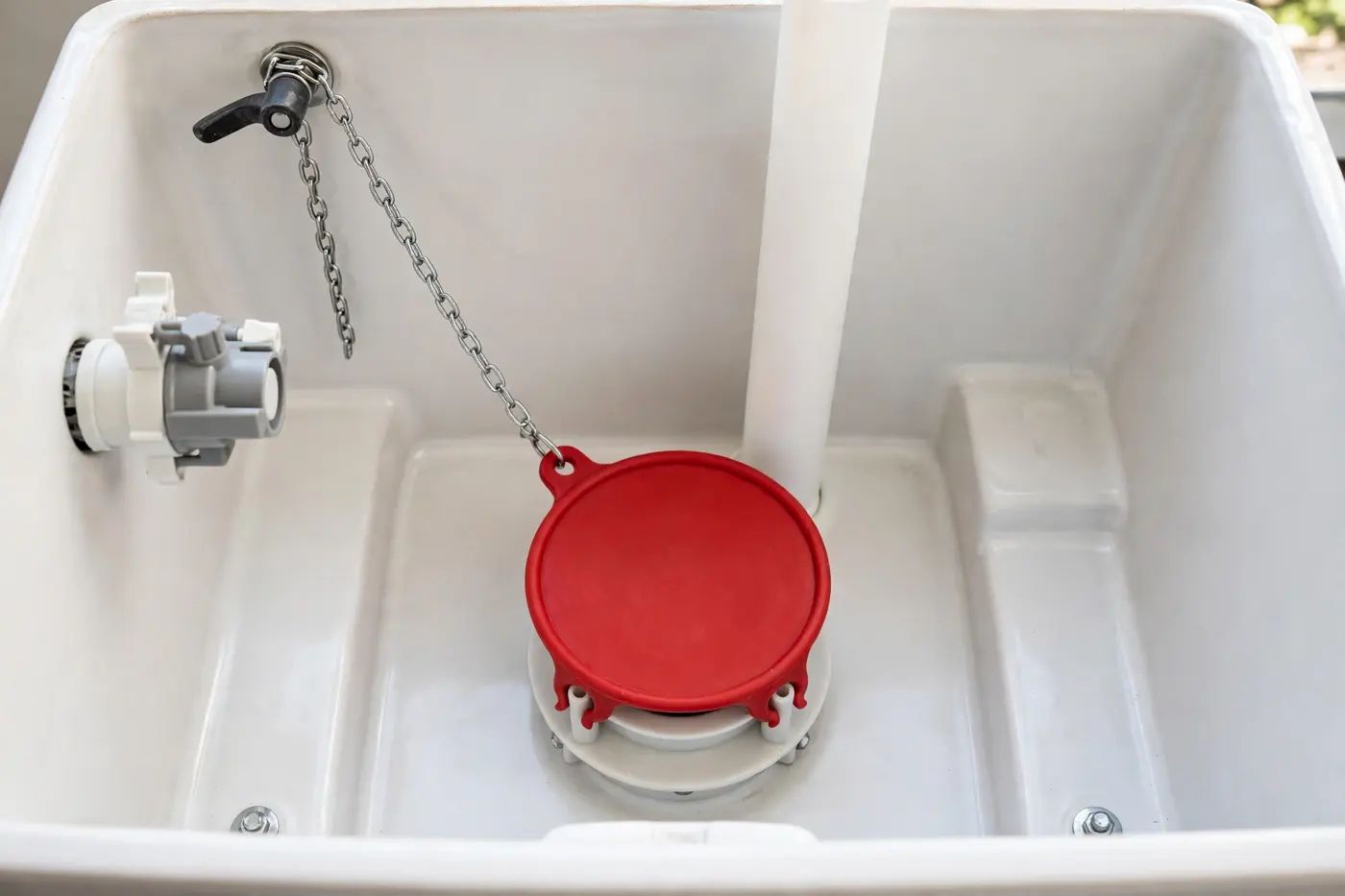
The old flapper has curled at the edge and no longer lands flat. Tank water seeps into the bowl all day, the fill valve wakes again and again to top up the tank, and the toilet is never fully silent.
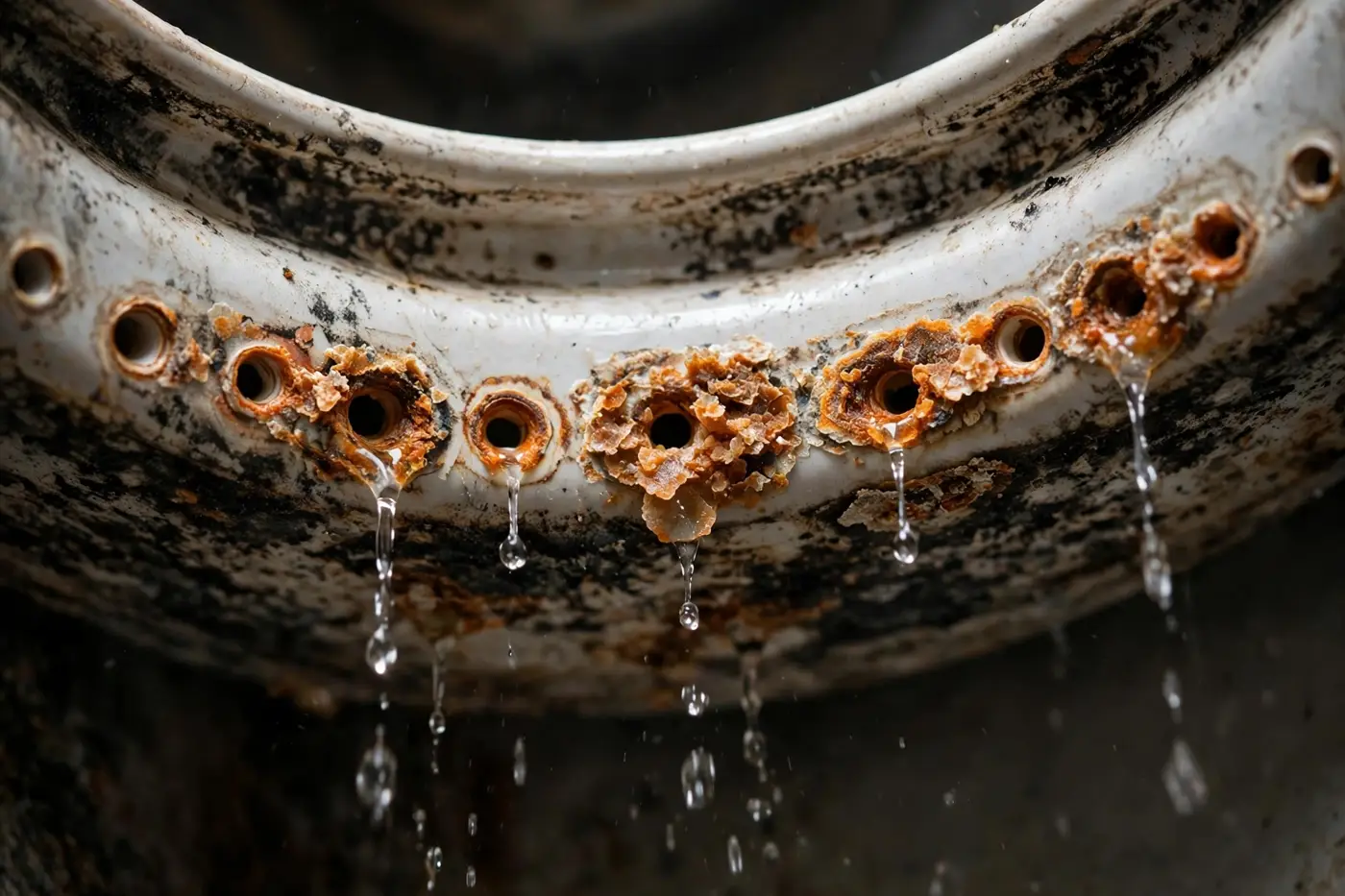
Fresh parts seal flat and shut off cleanly at the right level. The flush sends its full volume through clear rim jets, the tank fills once and stops, and the bathroom stays quiet between uses.
The proof of this repair is simple and you can run it yourself the same evening: mark the tank water level with a pencil line, leave the toilet unused, and check the line a few hours later. A sound seal holds the level exactly. Owners also notice the bowl water stays still, with no faint ripple or trickle lines, and the refill sound after a flush ends with a clean stop instead of fading into a hiss.
How a valve and flapper visit runs, step by step
The visit starts with tests that separate a flapper fault from a fill valve fault, because the two can sound alike but are fixed in different ways.
Cycle test and dye test
The technician flushes the toilet and times the fill, watches the shut-off, and checks the water level against the line inside the tank. A few drops of dye in the tank then reveal whether water is seeping into the bowl without a flush — colored water in the bowl within minutes confirms a flush-side leak.
Findings explained, scope confirmed
You hear which part failed the tests, which parts are worn, and which are sound. If the flush valve seat is pitted, that is shown and explained too, since a new flapper cannot seal against a rough seat. The scope is confirmed with you before any work starts.
Water off and tank drained
The shut-off valve behind the toilet is closed, the toilet is flushed to drain the tank, and remaining water is sponged out. The supply connection at the tank is then opened with a pan beneath to catch the last of the water.
Old valve and flapper removed
The flapper unhooks from its pegs and the flush valve is inspected at its seat. The fill valve comes out from the tank base, with its washer and lock nut, and the tank opening is cleaned of grit and old sealant so the new parts seat cleanly.
New parts fitted and set
The fresh fill valve is set to the height your tank needs, the new flapper is matched to the flush valve size and style, and the chain is clipped with the right slack. On tower-style flush valves, the canister seal is renewed the same way, since it does the flapper's job in that design.
Level set and repeat tests run
The water is turned back on, the level is set to the line, and the toilet is flushed repeatedly. The technician watches the seal, the refill time, and the shut-off, then runs a final dye or level check so the fix is proven, not assumed, before the lid goes back on.
If the tests show the running comes from several aged parts at once, the visit can widen into the tank rebuild described below, or into a full running toilet repair. Chain and handle faults found along the way fall under toilet parts repair. A supply line that shows wear at the tank connection is covered on our supply line and shut-off valve page. You can also read our plain-English guide on how to replace a toilet flapper before you call, and check areas we serve for your neighborhood.
Checks you can do before you call
Two simple tests at home will tell you which side of the tank is failing, and that helps the technician arrive ready for the right work.
Run the dye test first. Lift the tank lid, add several drops of food coloring or a dark drink to the tank water, and wait fifteen minutes without flushing. Look in the bowl. If color has reached the bowl, tank water is seeping past the flapper or the flush valve seat. If the bowl stays clear, the flush side is sealing and the fault, if any, sits on the fill side. Next, the level test: mark the tank water line with a pencil on the inside wall, turn off the shut-off valve behind the toilet, and leave it for a few hours. If the level falls with the supply closed, water is leaving through the flush valve. If it holds, the parts seal well.
Then listen with the lid off. Flush and watch the fill. Water should rise, slow, and stop cleanly at the line. If it keeps trickling into the overflow tube, the fill valve is not closing or the level is set too high. If the refill tube keeps dribbling after shut-off, grit inside the valve cap is a common cause, and some valve caps can be lifted and rinsed under a brief burst of water with the supply handled with care — but only if your valve is that style and you are sure of the steps.
Stop point: stop and call if the shut-off valve will not turn or leaks when turned, if the supply nut at the tank drips, or if the tank itself shows a crack. Tank work with a stuck valve can flood a bathroom quickly once a fitting is opened. Turn the valve only if it moves easily, and call (714) 410-0362 during open hours for the rest.
Cleaning grit from under the flapper seat sometimes buys a quiet week, and adjusting a chain that holds the flapper open can end a run at once. When the flapper edge itself has curled or the valve no longer shuts off, cleaning has reached its limit and fresh parts are the honest fix.
Hard water wears valves and flappers faster here
Fountain Valley tap water is hard. The City of Fountain Valley Water Quality Report puts local water at about 217 parts per million, roughly 13 grains per gallon. That mineral load is safe to drink, but it is hard on the small rubber and plastic parts that seal a toilet tank. Every refill leaves a trace of scale behind. Over months and years, that trace builds exactly where a toilet can least afford it: on the flapper's sealing edge, across the flush valve seat, inside the fill valve's moving parts, and in the tiny jets under the bowl rim.
Scale on a flapper works like grit on a door seal. The rubber still looks whole, but the edge no longer meets the seat evenly, and a thin sheet of water slips through. Scale inside a fill valve slows its movement, narrows its passages, and keeps its washer from closing fully, which is why fill valves in hard-water homes hiss sooner and fill slower than the same valve in soft-water homes. Scale in the rim jets weakens and skews the flush, so the bowl wash looks tired even when the tank parts are new — one reason the technician checks flush strength, not just silence, at the end of a visit.
Hard water also shortens the working life of chains, lever arms, and tank bolts. Mineral crust stiffens chain links until a link snaps. Damp scale holds moisture against metal at the water line, and the corrosion that follows thins lever arms and bolt shafts. None of this is a defect in your home; it is the normal arithmetic of hard water meeting small parts. It does mean Fountain Valley toilets tend to need tank part renewal a little sooner than owners expect, and that renewing parts as a set often makes more sense here than swapping one piece at a time.
The tank rebuild: the whole set renewed in one visit
When tests show that several tank parts have aged together — a curled flapper, a slow fill valve, a worn flush valve, and a supply line with tired fittings — the technician may lay out a tank rebuild. A tank rebuild renews the full working set in one visit: the fill valve, the flapper, the flush valve, and the supply line, along with fresh tank-to-bowl bolts and seals where they show wear. The tank comes off the bowl, every sealing surface is cleaned and checked, and the toilet goes back together with all of its moving parts starting from the same point.
The case for a rebuild is simple. Tank parts age at close to the same pace in the same water, so when two have failed, the rest are usually not far behind. Swapping one part this season and another next season means repeated visits, repeated tank draining, and repeated chances for an old bolt or seal to fail on its own schedule. A single rebuild visit settles the whole set, ends the running and the hissing together, and restores the flush to full strength because the new flapper lifts cleanly and the new fill valve delivers its full flow. The technician will only raise the rebuild option when the tests support it, and the choice is always yours after the findings are explained. Our guide on how Fountain Valley hard water affects your toilet covers the same ground in more depth for owners who want the full picture.
Fill valve and flapper questions from Fountain Valley homes
How do I know my toilet needs fill valve and flapper replacement?
You likely need fill valve and flapper replacement if the tank refills on its own between uses, the toilet hisses after filling, the tank takes a long while to fill, or the water level keeps drifting from its line. A dye test in the tank can confirm a flapper leak within minutes. The technician checks both parts plus the flush valve seat and confirms the scope with you before any work starts.
What happens during a fill valve and flapper replacement visit?
During a fill valve and flapper replacement visit, the technician shuts off the water, drains the tank, removes the worn valve and flapper, and fits fresh parts matched to your tank. The water level and chain slack are then set with care, and the toilet is flushed several times to confirm it fills, stops, and seals. Any worn part that can stay is left in place, and you hear the findings before work begins.
Can fill valve and flapper replacement stop a toilet that runs at night?
Yes. Phantom running at night is a classic reason for fill valve and flapper replacement. The flapper seeps slowly, the tank level drops, and the fill valve wakes to refill the tank while the house is quiet. Fresh sealing parts end that cycle. The technician also checks the flush valve seat, because a pitted seat will keep seeping even under a new flapper, and that is explained on the spot if it applies.
What is included in a tank rebuild with fill valve and flapper replacement?
A tank rebuild with fill valve and flapper replacement renews the full working set in one visit: fill valve, flapper, flush valve, and supply line, plus fresh tank bolts and seals where they are worn. It suits tanks where several parts have aged together, which is common in older Fountain Valley homes. The technician tests each part first and confirms the full scope with you before any work starts.
How long does fill valve and flapper replacement take?
Fill valve and flapper replacement is usually finished in a single visit, since the parts are standard and the tank work is contained. A full tank rebuild takes longer because the tank comes off the bowl and every seal is renewed. The technician explains the steps and the order of work before starting, and stays for repeat flush tests at the end either way.
Will fill valve and flapper replacement help with weak flush strength?
It can. Weak flush strength after fill valve and flapper replacement work often improves because a correct water level and a flapper that lifts fully send the full tank volume through the bowl. If the weakness comes from mineral buildup in the rim jets or a partly blocked trapway, the technician will say so after testing and explain the next step. The visit always ends with the flush strength checked in front of you.
Are flappers and fill valves universal?
Not fully. Flappers come in two main sizes, and the wrong size leaks from the first day; fill valves fit most tanks, but the height and the flush tower style still have to match what is in your tank. That is why the old parts are checked and measured before replacements go in — a close-enough part is usually the reason a repair does not last.
Running, hissing, or slow to fill? Let us test the tank.
Call during open hours — Mon–Fri 7:00 AM–10:00 PM, Sat 8:00 AM–10:00 PM, Sun 7:00 AM–9:00 PM — and one call connects you with a local toilet specialist for Fountain Valley.
📞 Call Now — (714) 410-0362 Prefer email? [email protected]